
Extending your home in Spain: rooms, living space and terraces
An extra bedroom, a larger living area or a covered terrace can transform a home. Here is what to consider before you extend.
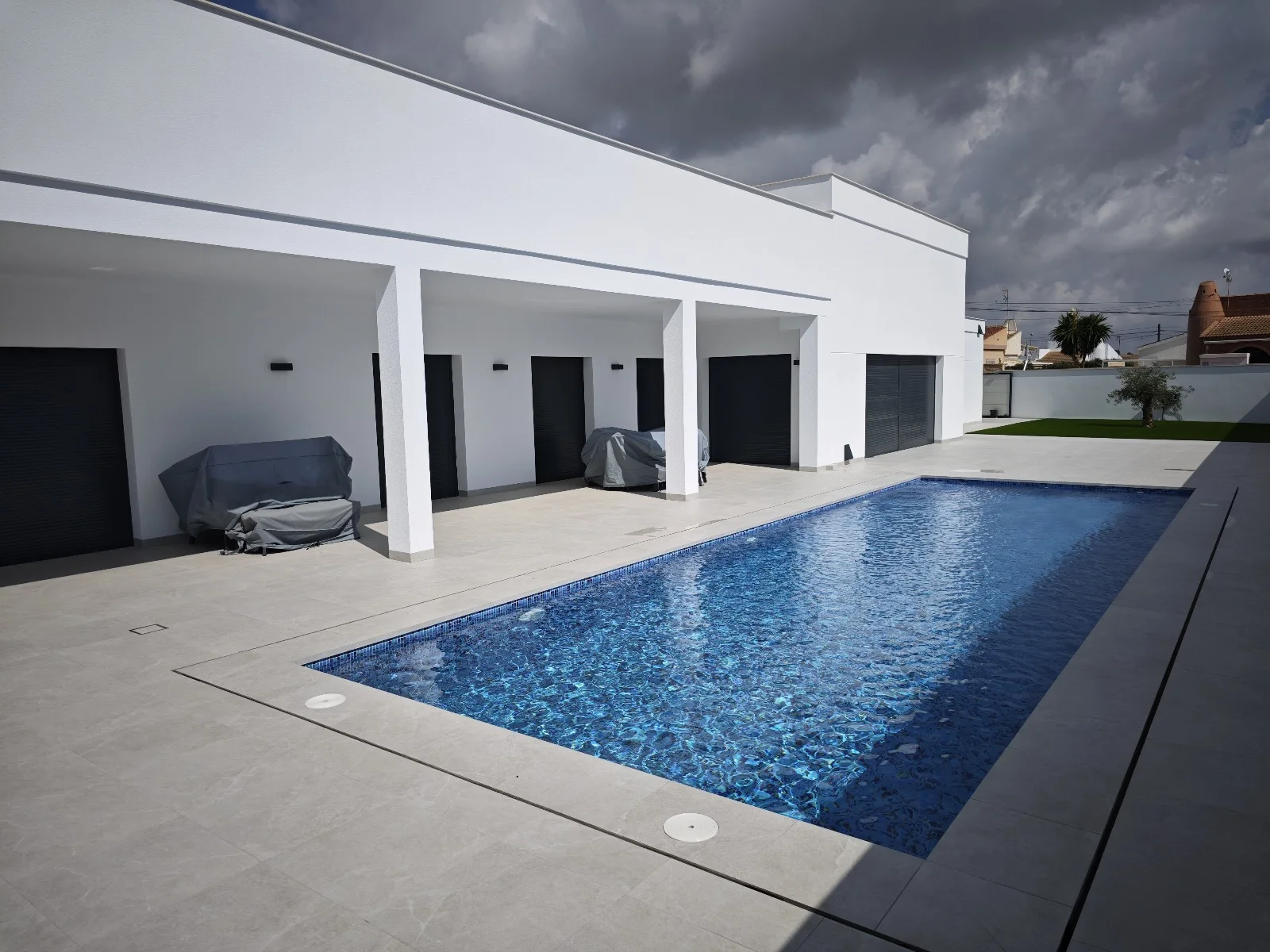
Many Costa Blanca homes were built with compact interiors and generous plots. Extending is a natural way to gain space without moving. An extension involves planning rules, structure and design, so it pays to understand the process before you start.
What can be built?
The municipality's planning rules set how much floor area a plot may hold, the maximum height and the distances to boundaries. If the house already uses the permitted area, an extension may not be possible. This is the first thing to check.
Permits and the technical project
An extension is major work and normally requires a building licence based on a technical project. Closing in a terrace or porch also counts as adding built area. Read more in our guide to building permits in Spain.
Structure and foundations
The extension needs its own foundations and a structure that connects properly to the existing building. Building upwards requires checking whether the existing structure can carry an extra floor. Our engineering work covers these assessments.
Connecting old and new
The best extensions feel as if they were always part of the house. Floor levels, ceiling heights, roof lines, windows and finishes should match or deliberately contrast. Opening the existing wall to the new space may involve structural alterations.
Light, orientation and terraces
Think about the sun and views. A new living room facing the garden, with large aluminium sliding doors, can change how the whole home is used.
Living in the house during the work
Much of an extension can be built before the existing wall is opened. Discuss which rooms remain usable and how dust and noise are managed.
After completion
The new space should be reflected in the property's official description. Your lawyer or the technical team can advise on registering the extension.
Plan your extension
See our home extensions service, or find extension projects in Pilar de la Horadada, Los Balcones and La Marina.
Your questions.
Do I need a permit to extend my house in Spain?
Yes. An extension adds built area and normally requires a building licence based on a technical project. Closing in a terrace also counts as an extension.
Can I add an extra floor to my house?
Only if the planning rules allow the extra height and floor area and the existing structure can carry the load. Both need to be checked first.
Can I live in my house during an extension?
Often yes, at least partly. Much of the extension can be built before the existing wall is opened, and the remaining phases are planned around the rooms you need.
More guides
All guides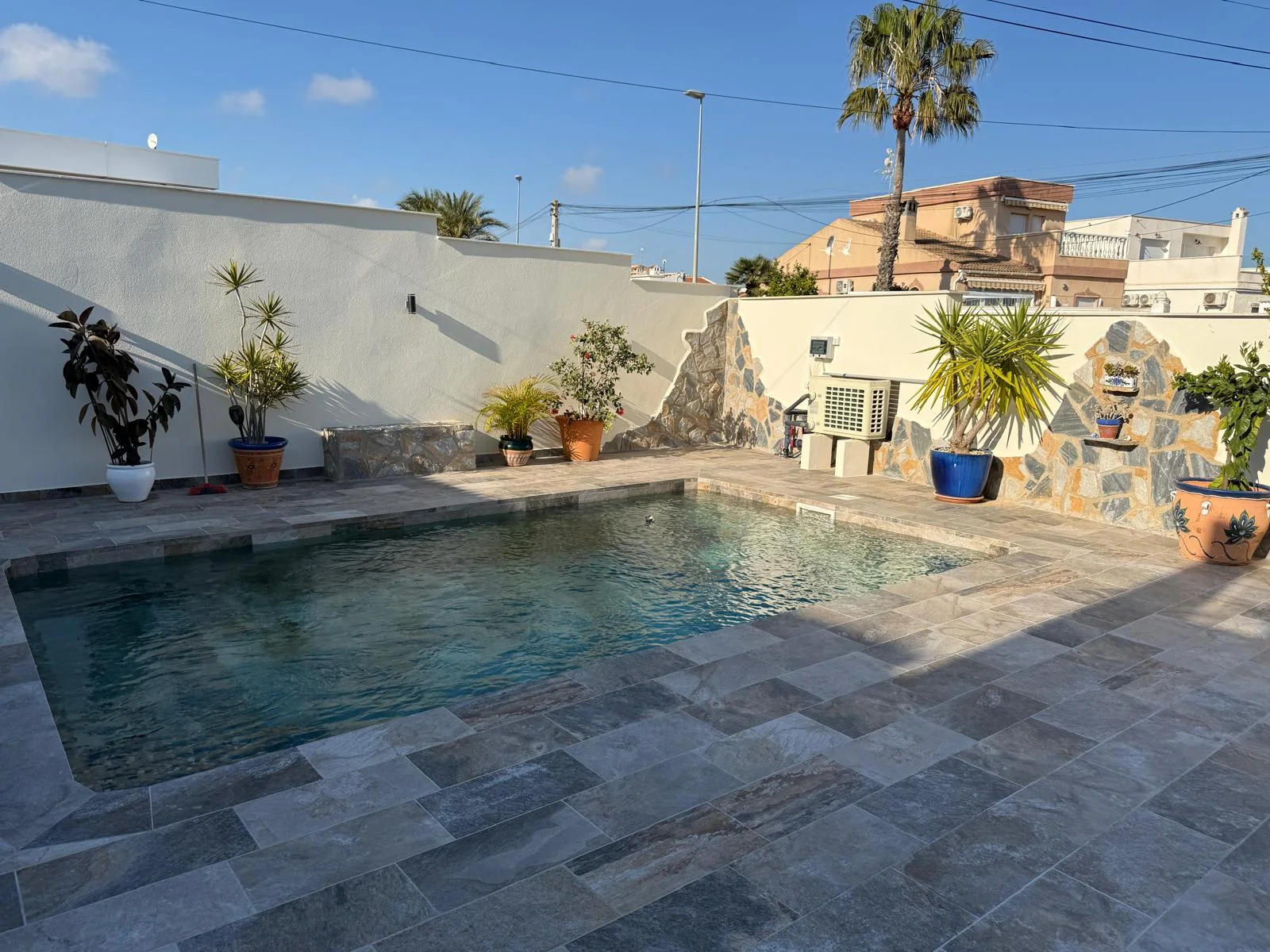
Building permits for renovations in Spain: what owners should know
Most building work in Spain needs some form of municipal permission. Which one depends on the type of work and the town hall where your property is located.
Read the guide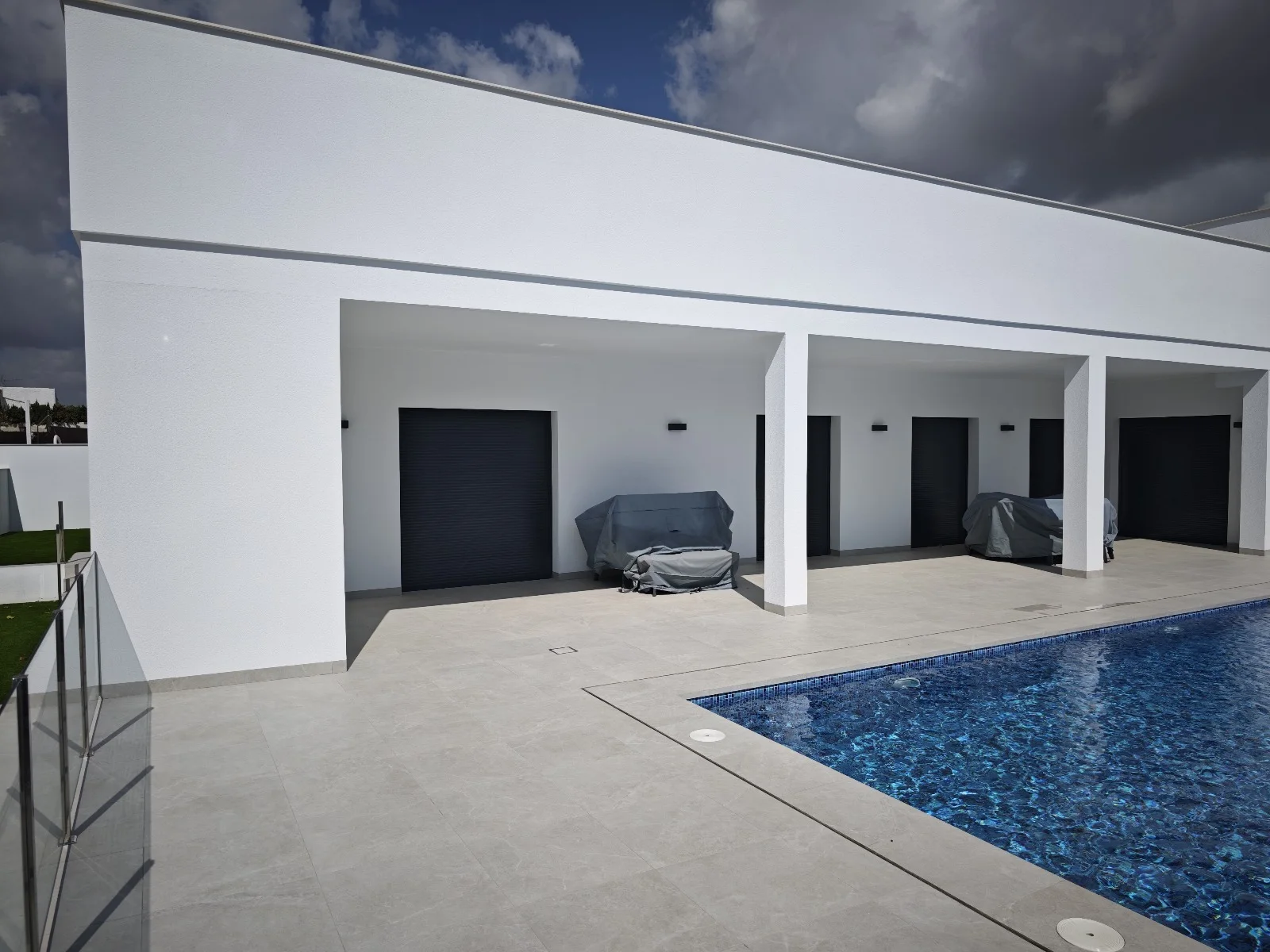
Renovating a Costa Blanca property while you live abroad
Most of our clients are not on site while their home is renovated. A clear brief, agreed decision points and regular updates make the distance manageable.
Read the guide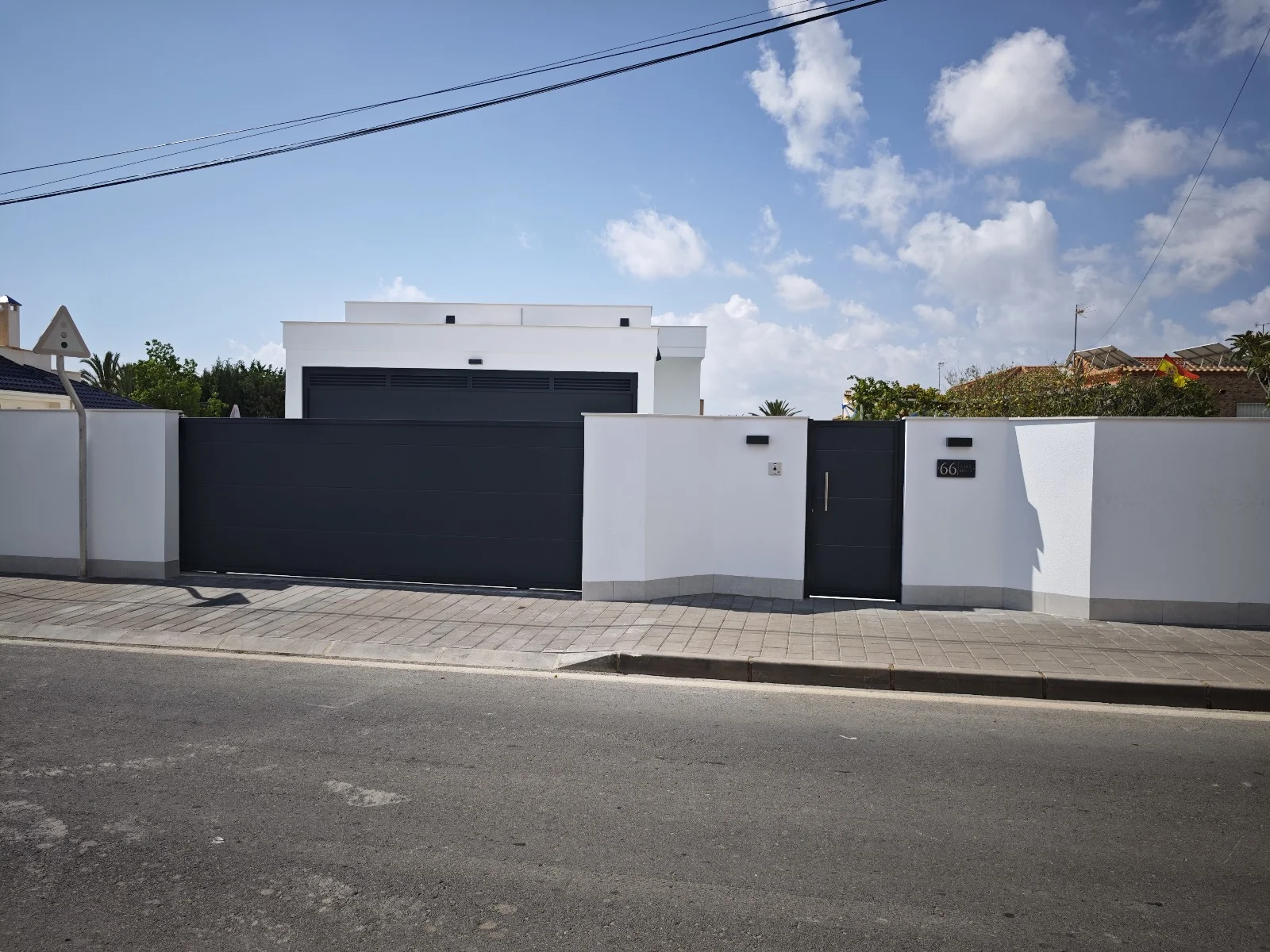
Buying a property to renovate in Spain: what to check first
A property that needs work can be a good buy, but the renovation starts before you sign. These are the checks that shape what the work will involve.
Read the guideTell us about your project
Project and location are carried into your enquiry.